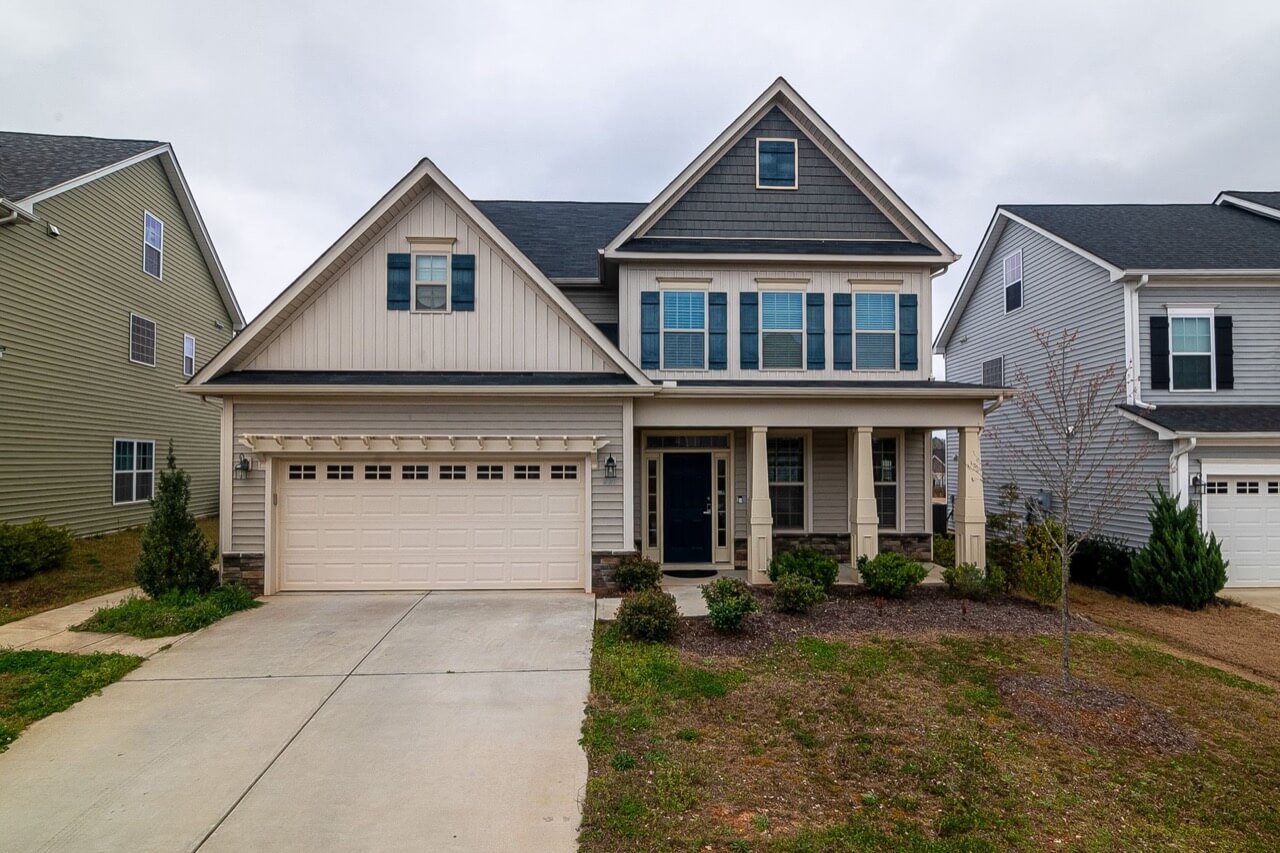
What to prepare for a second-home mortgage
Preparing for a second-home purchase often means gathering more than records for the new property. Your income, available funds, current housing obligations, and details about the home you plan to buy may all be part of the review. Here’s a practical guide to common second home mortgage documents and records that may help clarify your financial picture.
When you already have a home, the paperwork can feel less like starting over and more like keeping two transactions straight. You may be coordinating income and asset records, the costs of your current home, and details for a property that could be somewhere else entirely. I know an unclear request or a late discovery about funds can add pressure. A clear checklist, along with timely answers about what applies to your file, may make the steps easier to manage.
For a conventional second-home mortgage, lenders commonly review records that help document income and employment, funds available for the transaction, and obligations tied to your existing home. They may also ask for purchase and property details for the home you plan to buy. The exact requests depend on your finances, the property, and applicable program guidelines; not every item will necessarily be required. Qualification and approval are subject to credit approval and program guidelines.
It may help to sort your records into three groups: income and employment, funds available for the transaction, and information about your existing and planned properties. For income, common starting documents may include pay stubs, W-2 forms, and tax returns; self-employed borrowers may be asked for personal or business tax returns and other financial records. For assets, complete account statements can help show funds and account activity. Your loan officer can clarify which items are relevant to your circumstances.
Questions about your situation?
Talk it through with a loan officer who knows this market. No forms and no pressure.
The property costs behind your records
East Brunswick’s home value is a useful local reference when organizing the purchase records and estimates for a conventional second-home application. Your specific property and transaction documents—not a townwide estimate—will guide the review.
Document the costs of your current home
If you own a primary residence, gather a recent mortgage statement, homeowners insurance information, property tax details, and records for any home equity loan or line of credit. East Brunswick borrowers should give particular attention to the actual tax bill: the median property tax in Middlesex County was $9,684, according to the Census ACS 5-Year, 2023. Your own bill may differ, so use your current records when documenting the housing costs that may be considered alongside the proposed second-home obligations. I review the document list with you, check for missing pages, and explain which items need clarification before you send the file. This review may help you understand what to gather and what a particular request is meant to document.
Check the loan amount against local limits
When you have a purchase price in view, confirm the expected loan amount and property details early. For a one-unit property in Middlesex County, the 2026 conforming loan limit is $1,209,750, according to FHFA Conforming Loan Limits, 2026. That limit can help frame the loan-size discussion, but it does not determine approval; your finances, the property, and applicable program guidelines still matter.
Leave room to gather property documents
Once you identify a second home, collect the signed purchase agreement, property details, and homeowners insurance information. If the property is in a condominium or planned community, find out early who can provide association records or project-review documents. East Brunswick homes took 36 days to go pending, according to Zillow Research, September 2026; that local timing is a reason to ask about property paperwork promptly rather than waiting until the rest of your file is assembled.
Keep the file current as you organize it
Before sending documents, check that each file is readable and complete, including statement pages that appear blank. Keep a record of large deposits, transfers, gift funds, or expected home-sale proceeds, and ask what supporting documents apply before moving money. East Brunswick had 51 new listings, according to Zillow Research, September 2026, so if you are still comparing properties, keep your financial records organized and be ready to update property-specific documents when you choose a home.
What documents may I need for a conventional second-home mortgage?
For a conventional second-home mortgage in East Brunswick, common records include income and employment documents, complete statements for accounts used toward the transaction, details of your current housing obligations, and the purchase agreement and property information for the new home. The one-unit conforming loan limit in Middlesex County is $1,209,750, according to FHFA Conforming Loan Limits, 2026; knowing the expected loan amount helps you have a focused conversation about the property and financing. The lender’s exact checklist depends on your application and the home.
What should I gather about the home I already own?
For a conventional second-home mortgage in East Brunswick, gather your current mortgage statement, homeowners insurance information, property tax bill, and statements for any home equity loan or line of credit. These records help document the costs and obligations associated with your existing home. Middlesex County’s median property tax was $9,684, according to the Census ACS 5-Year, 2023, but your own tax bill is the relevant document for your application.
Part of this series
The numbers behind this page
Every figure comes from public data on East Brunswick, NJ and Middlesex County. Each one names its source and the month it describes, so you can check it yourself.